How to Run a Remote Team in Your Roofing Business
Key Takeaways
- Identify your needs before hiring remote team members.
- Virtual assistants can significantly reduce costs while providing high-quality support.
- Effective communication is key to managing a remote team.
- Training your virtual assistants is essential for success.
- Celebrate team achievements to foster motivation.
Running a remote team can revolutionize your roofing business. By leveraging technology and hiring the right virtual assistants, you can streamline operations and boost productivity. To run a remote team successfully, focus on communication, clear roles, and continuous training. This approach ensures your team operates efficiently, no matter where they are located.
How to run a remote team effectively?
To run a remote team effectively, establish clear communication channels, define roles, and set measurable goals. Use tools like Slack or Zoom for regular check-ins and ensure everyone understands their responsibilities. A well-structured remote team can increase productivity and maintain high standards.
To start, assess your business needs and target the specific roles that can be handled remotely. Use platforms like Upwork for hiring remote talent to find qualified candidates. Set up regular virtual meetings to keep everyone aligned and use project management software to track progress. Encourage feedback and adjust strategies as needed to improve efficiency.
The Importance of Clear Communication
Communication is the backbone of any successful remote team. Without the ability to communicate effectively, misunderstandings can arise, leading to decreased productivity and morale. Implementing communication tools like Microsoft Teams or Slack can facilitate instant messaging and quick problem-solving. Additionally, video conferencing tools like Zoom or Google Meet can help maintain face-to-face interactions, which are crucial for team cohesion.
Defining Roles and Responsibilities
Clearly defined roles ensure every team member knows their specific duties and how they contribute to the overall business goals. This clarity helps prevent overlap and confusion, which can slow down project progress. Create detailed job descriptions and provide access to shared resources where team members can find the information they need to perform their tasks efficiently.
Setting Measurable Goals
Setting measurable goals gives your team direction and motivation. Use SMART goals (Specific, Measurable, Achievable, Relevant, Time-bound) to ensure clarity. This framework helps team members understand what is expected of them and allows managers to track progress effectively. Regularly review these goals to ensure they align with the business's evolving needs.
What is a remote team?
A remote team consists of employees who work from locations outside the traditional office environment. This setup enables businesses to tap into a global talent pool, reduce overhead costs, and provide flexibility for team members.
Remote teams operate across various time zones, requiring robust communication practices and technology to function effectively. They are connected through digital platforms, allowing them to collaborate and deliver results without being physically present. This model is increasingly popular for businesses aiming for flexibility and cost-effectiveness.
Global Talent Pool
One of the most significant advantages of a remote team is access to a global talent pool. You're not limited to hiring within your local area, which means you can find the best person for the job regardless of their location. This diversity can bring new perspectives and ideas to your roofing business, enhancing creativity and innovation.
Cost Reduction
Remote teams can help significantly reduce costs associated with maintaining a physical office space. Savings on rent, utilities, and office supplies can be substantial. Additionally, remote work offers flexibility in staffing, allowing businesses to scale up or down based on current needs without the financial burden of layoffs or hiring freezes.
How to manage a remote team?
Managing a remote team involves setting clear expectations, fostering a collaborative culture, and leveraging the right technology. Effective leadership and regular communication are crucial for maintaining productivity and morale.
1. Set Clear Goals: Define what success looks like and communicate it to your team.
2. Use Collaboration Tools: Implement tools like Trello or Asana for task management.
3. Regular Check-Ins: Schedule consistent meetings to discuss progress and challenges.
4. Feedback Loop: Encourage team members to share feedback openly.
5. Celebrate Successes: Recognize achievements to boost team morale.
Building a Collaborative Culture
Fostering a collaborative culture requires intentional effort in a remote setting. Encourage team members to engage in team-building activities, even if they're virtual. Platforms like Gather or Kumospace offer virtual spaces for informal gatherings. Promote a culture of open communication where team members feel comfortable sharing ideas and concerns.
Leveraging Technology
Technology is an enabler for remote teams. Beyond communication and project management tools, consider using performance tracking software like Hubstaff or Time Doctor. These tools provide insights into productivity levels and help identify areas for improvement. Ensure that all team members are trained in the tools you use, so everyone can work efficiently.
How to manage a remote sales team?
To manage a remote sales team, focus on performance metrics, communication, and motivation. Establish clear sales goals and use CRM tools to track progress. Regularly review sales data and provide coaching to improve skills.
Implement regular training sessions to keep your sales team informed about new strategies and market trends. Encourage a culture of accountability where each member monitors their performance. Motivation is key, so recognize top performers and offer incentives to drive results.
Performance Metrics
Tracking performance metrics is crucial for a remote sales team. Use CRM software like Salesforce or HubSpot to monitor sales activities and results. These tools help identify top performers and areas needing improvement, allowing you to tailor coaching and training efforts effectively.
Incentives and Recognition
Incentives drive sales teams. Implement a rewards system that recognizes achievements and motivates team members to reach their targets. This could include bonuses, gift cards, or public recognition in team meetings. Celebrating successes not only boosts morale but also fosters a competitive, high-performing team culture.
How to manage a remote team Coursera?
Coursera offers courses on managing remote teams, providing insights into leadership styles, communication strategies, and technology use. These courses equip managers with the skills needed to oversee remote employees effectively.
By enrolling in a Coursera course, you gain access to expert knowledge and case studies from successful remote teams. These courses cover essential aspects like building trust, fostering collaboration, and managing performance remotely. It's a valuable resource for any leader looking to enhance their management skills.
Practical Applications
The practical applications of Coursera's remote management courses are vast. You'll learn how to implement best practices from industry leaders and adapt them to your specific business needs. From setting up effective communication channels to managing team dynamics, the knowledge gained can be directly applied to improve your team's performance.
How to manage a remote team GitLab?
GitLab's approach to managing remote teams emphasizes transparency, documentation, and asynchronous communication. These practices allow teams to operate efficiently without geographical constraints.
GitLab encourages detailed documentation of all processes, ensuring team members have access to necessary information at any time. This transparency builds trust and accountability. Asynchronous communication allows flexibility, enabling team members to contribute at their peak productivity times.
Documentation and Transparency
Detailed documentation is a cornerstone of GitLab's remote management strategy. By documenting processes, team members can quickly access the information they need, reducing downtime and increasing efficiency. This practice also ensures continuity and consistency, especially when onboarding new team members.
Asynchronous Communication
Asynchronous communication allows team members to work at their own pace, respecting different time zones and work preferences. This flexibility can lead to higher productivity and job satisfaction, as team members are not bound by traditional 9-to-5 work hours.
What are the benefits of virtual assistants in roofing?
Virtual assistants can provide cost-effective solutions for administrative tasks in the roofing industry. They handle scheduling, customer service, and data entry, freeing up your time to focus on core business activities.
| Role | Responsibilities |
|------|------------------|
| Virtual Assistant | Scheduling, customer support, data management |
| In-House Staff | On-site operations, physical inspections, client meetings |
Virtual assistants offer flexibility and scalability, allowing you to adjust staffing levels according to workload demands. They can be a vital part of your team, offering specialized skills without the overhead of full-time employees.
Flexibility and Scalability
Virtual assistants provide the flexibility to scale your team based on current needs. During peak seasons, you can increase support without the long-term commitment of hiring permanent staff. This adaptability ensures that your business remains agile and responsive to market demands.
Specialized Skills
Hiring virtual assistants with specialized skills can enhance your business operations. Whether it's advanced data analysis, social media management, or customer outreach, virtual assistants bring expertise that might be lacking in your current team, helping you stay competitive.
How do I train my remote team?
Training your remote team involves structured onboarding, continuous learning opportunities, and regular feedback. Develop a comprehensive training program that covers all necessary skills and software tools.
Use online platforms to deliver training materials and conduct interactive sessions. Encourage peer-to-peer learning and provide resources for self-improvement. Regularly update training content to reflect industry changes and new technologies, ensuring your team remains competitive.
Structured Onboarding
A robust onboarding process sets the tone for new hires. Provide clear guidelines and resources to help them understand their roles and integrate into the team. Use tools like Trainual or Lessonly to create an engaging and informative onboarding experience.
Continuous Learning
Encourage a culture of continuous learning by providing access to online courses, webinars, and workshops. Platforms like LinkedIn Learning or Udemy offer a wide range of courses that can enhance your team's skills. Regularly schedule training sessions to keep your team updated on the latest industry trends and tools.
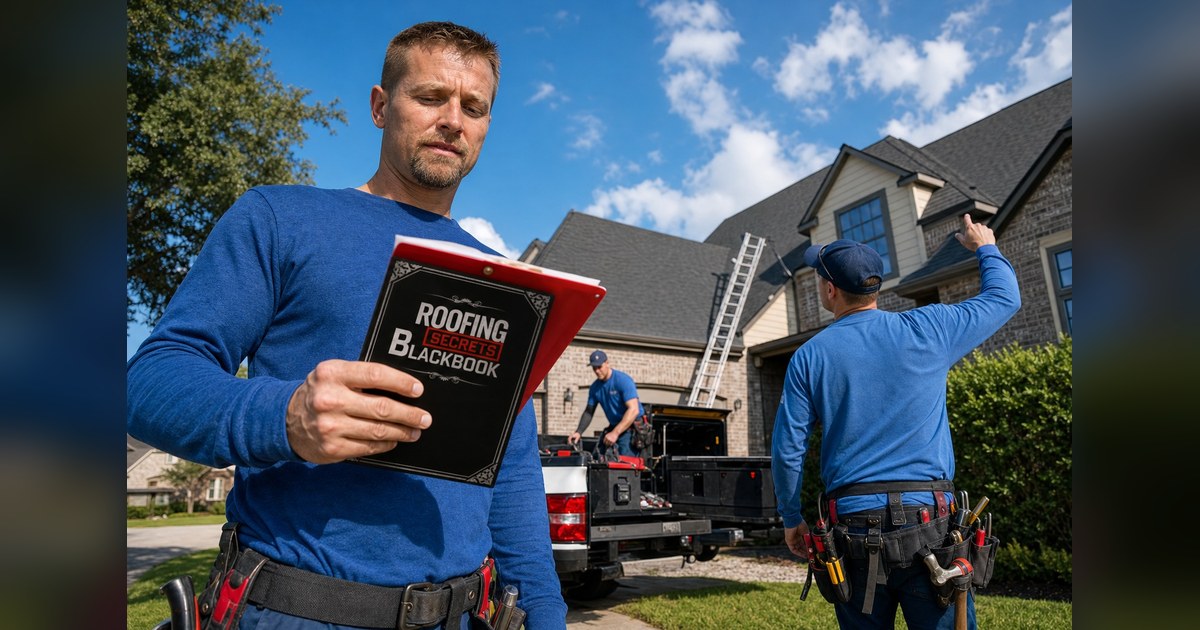
Transform Your Roofing Business with the Roofing Secrets Black Book
Ready to transform your roofing business by mastering remote team management? Get the Roofing Secrets Black Book to unlock proven strategies and insider tips. Dive into the playbook that has helped roofing businesses nationwide scale effectively. Don't miss your chance to transform your operations. Grab your copy now!
Running a remote team effectively can be the key to unlocking your roofing business's potential. With the right strategies, tools, and team members, you can achieve unparalleled productivity and growth. The Roofing Secrets Black Book offers the insights you need to make it happen—don't wait to get started. Order your copy today!
