Build a Unique Value Proposition
The short answer
To build a unique value proposition for your roofing company, identify what makes your services distinct and how you can fulfill customer needs uniquely. Focus on your core values, mission, and targeted goals that reflect your market positioning.
Key Takeaways
- A unique value proposition sets you apart from competitors.
- Define your core values and mission to guide your strategy.
- Use SMART goals to measure your value proposition's effectiveness.
- Consider your niche market to align your services with customer needs.
- Contrast chaos vs. control: a clear value proposition creates stability.
Establishing a unique value proposition is crucial for any roofing company looking to stand out in a crowded marketplace. To build a unique value proposition, you must first understand your core strengths and how they address specific customer needs. By clearly defining and communicating what sets your business apart, you can attract and retain more clients, ultimately driving success.
What is unique value proposition?
A unique value proposition (UVP) is a clear statement that describes the distinct benefits your company offers to customers. It highlights what makes your services different from competitors and why customers should choose you. In the roofing industry, a strong UVP might focus on exceptional workmanship, use of high-quality materials, or unbeatable customer service.
A UVP is not just a catchy slogan; it's a strategic tool that addresses customer pain points and demonstrates how your company provides solutions. For example, if your roofing business specializes in eco-friendly materials, your UVP should emphasize this sustainability aspect. A well-crafted UVP acts as a foundation for your marketing efforts, helping you communicate your brand's strengths effectively.
How to make a unique value proposition?
Creating a unique value proposition starts with identifying the unique aspects of your roofing business. Reflect on what your customers value most and how your services can meet those needs better than anyone else. Use customer feedback and competitive analysis to refine your proposition.
Once you've identified your core strengths, draft a concise statement that captures these elements. Make it specific and compelling. For example, "We provide eco-friendly roofing solutions that reduce your carbon footprint while enhancing your home's energy efficiency." The clearer and more specific your UVP, the easier it will be for potential customers to understand why they should choose your services.
How to develop a unique value proposition?
To develop a robust unique value proposition, begin by analyzing your target market and identifying gaps your business can fill. Conduct surveys and interviews to gather insights about customer preferences and pain points. Use this data to shape a UVP that resonates with your audience.
Consider incorporating elements like quality assurance, customer satisfaction, or innovative solutions into your UVP. This development process should be iterative, allowing you to refine your proposition based on market feedback. By continuously adapting your UVP, you ensure it remains relevant and competitive.
How to build a strong value proposition?
Building a strong value proposition requires you to align your business offerings with the needs and desires of your customers. Start by defining your company’s mission and vision. Use this as a guide to create a UVP that reflects your business goals and brand identity.
Focus on clarity and conciseness. Your UVP should quickly convey your unique benefits to potential customers. Test your UVP with real customers to see if it effectively communicates your value. Remember, a strong UVP is not only about standing out; it’s about being understood.
What are the core values for roofing companies?
Core values are the guiding principles that shape your company's culture and influence its decisions. For roofing companies, values such as integrity, quality, customer focus, and innovation are essential. These values not only guide your operations but also help in building trust and loyalty with clients.
By clearly defining and living these core values, you create a strong foundation for your business. Customers are more likely to trust and return to a company that consistently demonstrates its commitment to these principles.
How to build a customer value proposition?
A customer value proposition (CVP) is similar to a UVP but focuses more on the specific benefits your customers receive. To build a CVP, identify the key benefits your services offer, such as cost savings, energy efficiency, or enhanced protection.
1. Research Customer Needs: Understand what your customers value most.
2. Identify Core Benefits: Highlight the primary benefits that differentiate your service.
3. Create a Clear Message: Develop a compelling statement that communicates these benefits.
4. Test and Refine: Gather feedback and adjust your CVP to better meet customer expectations.
How to make a value proposition slide?
Creating a value proposition slide is an effective way to present your UVP visually. This slide should succinctly capture your key message and make a strong impression on viewers. Start with a bold headline that states your UVP. Use bullet points to list the main benefits and incorporate visuals to enhance understanding.
Keep the slide clean and focused. Use graphics or icons to illustrate your points, making the slide more engaging. Ensure the design reflects your brand identity to reinforce your company's professionalism and credibility.
How to build a unique selling proposition?
A unique selling proposition (USP) is a specific element of your business that makes you stand out. To build a USP, identify what you can offer that your competitors cannot. This could be a unique service, an innovative product, or an exclusive guarantee.
Analyze your competitors to see where you can offer something different. Your USP should address a clear need or solve a specific problem for your customers. Once defined, integrate your USP into all marketing and sales communications to ensure consistency.
How to build a value proposition canvas?
The value proposition canvas is a strategic tool to visualize and align your UVP with customer needs. It consists of two main sections: the customer profile and the value map. To build a value proposition canvas:
1. Identify Customer Segments: Determine who your key customers are.
2. Outline Customer Jobs: Define what customers are trying to achieve.
3. Describe Pains and Gains: Understand their challenges and desired outcomes.
4. Map Your Value: Align your services with customer needs to address pain points and enhance gains.
A well-developed value proposition canvas helps ensure that your UVP remains customer-focused and effective.
| Chaos | Control |
|-----------|-------------|
| Confusion about company goals | Clear, communicated goals |
| Reactive decision-making | Proactive planning and strategy |
| Inconsistent customer experience | Consistent, reliable service |
| High employee turnover | Strong team retention and culture |
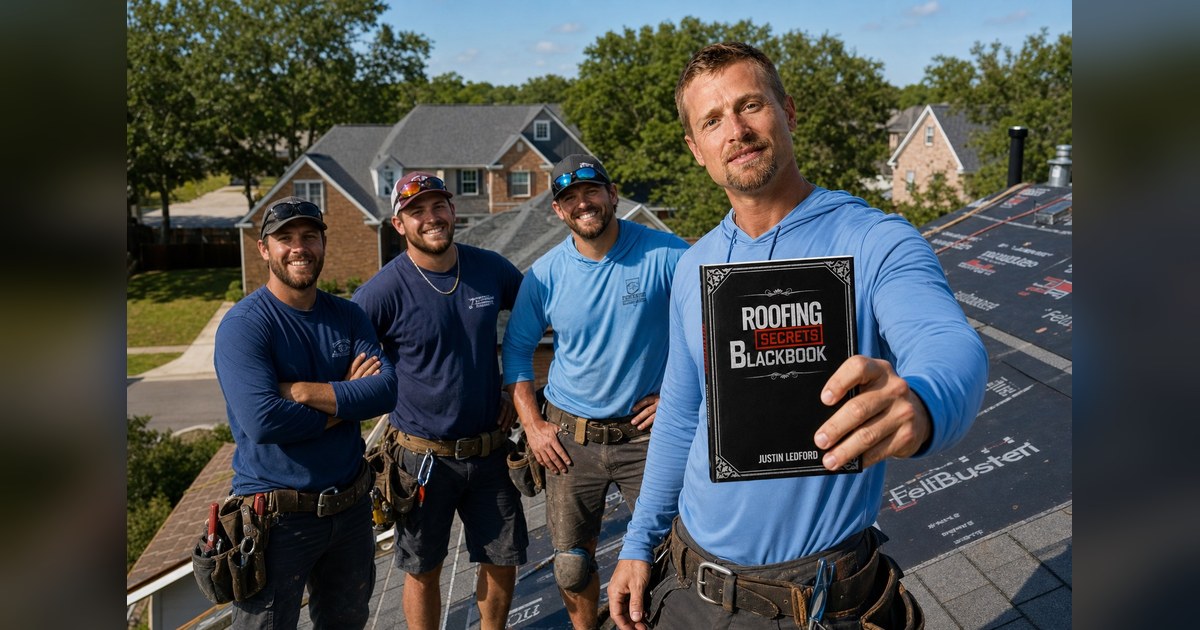
Discover the Secret to Roofing Success
Stop playing the guessing game with your business strategy. Discover the Roofing Secrets Black Book—a guide to building a more profitable and scalable roofing company. With our 4-step formula, you’ll have the tools and insights to create a compelling value proposition that resonates with customers. Don't wait, get the book now and transform your business.
